
Key facts
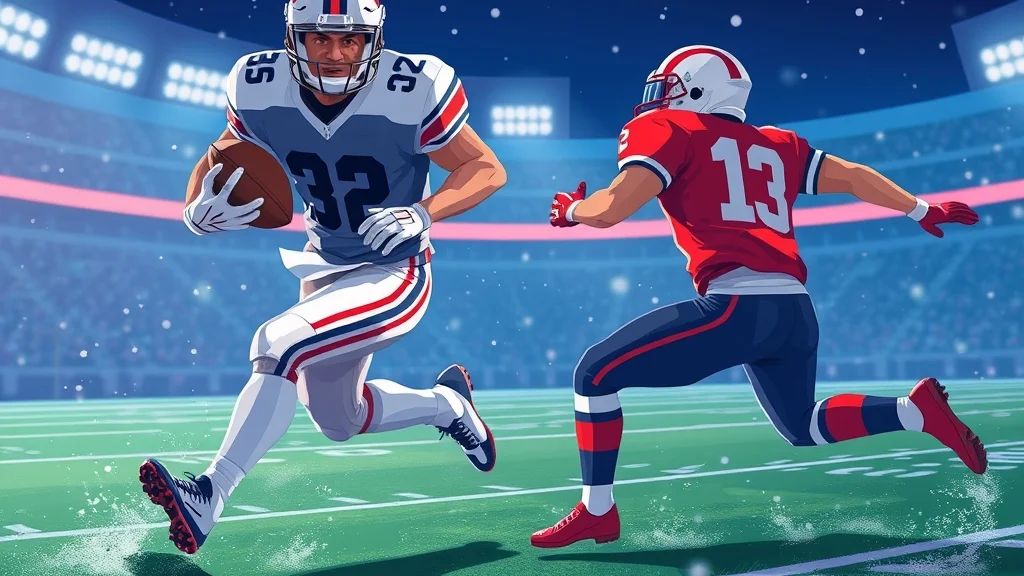
- You juke in Madden 27 by flicking the right stick left or right while carrying the ball.
- Flicking to both sides one after the other gives you a double juke.
- Madden 27 launched August 13, 2026 on PS5, Xbox Series X and S, Switch 2 and PC.
- The Juke Move and Change of Direction ratings decide how sharp the cut looks.
- Most failed jukes happen too late, too early, or with sprint still held through the cut.
You juke in Madden 27 by flicking the right stick left or right while you carry the ball. The input is easy. The hard part is timing: when you let go of sprint, which way you cut, and whether your player has the ratings to pull it off. Here’s how to do it properly.
How do you juke in Madden 27? The short answer
You juke in Madden 27 by flicking the right stick sideways. On PlayStation, Xbox and Switch 2 it’s the same motion, and moving to each side repeatedly allows you to perform a double move (or Double Juke). Here’s the whole move in one list:
- Get the ball into your ball carrier’s hands and head toward open grass.
- Let go of sprint (R2 on PlayStation, RT on Xbox) about one step before the defender arrives.
- Flick the right stick left or right, away from where the defender is coming from.
- To double juke, flick it back the other way right away.
- Hold sprint again as you come out of the cut and leave him behind.
Why the short version isn’t enough
Most players who can’t juke already know the input. They’re losing on the other three variables: distance, sprint, and ratings. If you flick from five yards away, the defender just adjusts his angle. Flick from half a yard and he’s already wrapped you up. The sweet spot is about one to two yards, when the defender has committed his hips but hasn’t started the tackle animation yet.
It’s like Thurman Thomas reading a cutback lane. The move came after the defender had committed, not before. Madden works the same way.
Where the juke fits in the ball carrier moves
EA’s official Madden NFL 27 ball carrier controls cover Sprint, Protect Ball, Hurdle, Slide, Dive, Spin, Stiff Arm, Truck, Dead Leg, Juke, Pitch, and Celebration. The juke is your best move in open space. It isn’t built for breaking tackles. It makes a tackler miss before contact ever happens, which is a different job from a truck or stiff arm. If you’re new to the controls overall, our madden nfl hub has the rest of our Madden 27 guides for Franchise, Ultimate Team and ratings.
Pro tip: Turn on Practice mode and run the same outside zone ten times in a row. Juke the first defender you see every rep. You’ll learn the distance faster from repetition than from any written guide, this one included.
What you need before you juke in Madden 27
You need Madden NFL 27, a controller with a working right stick, and a ball carrier whose ratings can handle the move. Madden NFL 27 launched worldwide on August 13, 2026, and it’s available on PS5, Xbox Series X|S, Switch 2, and PC. The juke works the same way in every mode: Franchise, Ultimate Team, Superstar and Play Now.
Version and updates
Keep the game updated. EA has been changing ball carrier balance throughout the season. One gameplay update significantly reduced the bonus chance to break tackles when using the Aggressive Ball Carrier Coach Adjustment. That doesn’t change the juke input. It does mean that running straight through people works less often than it did in August, so making defenders miss matters more now.
Ratings that decide how good your juke looks
Any ball carrier can try a juke, but the result depends heavily on ratings. These are the ones to check on the player card:
| Rating | What it does for the juke | Rule of thumb |
|---|---|---|
| Juke Move (JKM) | Decides which juke animations you get and how sharp they are | Juke freely at 85 and up. Under 70, mostly don’t |
| Change of Direction (COD) | How fast the player plants and redirects | Matters as much as JKM for the double juke |
| Acceleration (ACC) | How fast you get back to full speed after the cut | Low ACC means you win the cut and get caught from behind |
| Ball Carrier Vision (BCV) | Helps you read lanes and set up the move | More important on inside runs |
| Speed (SPD) | Lets you get away once you’re free | Doesn’t help the cut itself |
Those thresholds are our own guidelines from playing, not numbers EA publishes. Still, a tight end with a 55 Juke Move takes a slow, wide step that the defender has plenty of time to tackle.
Controller and settings check
A worn right stick can register a light flick as nothing, or as a diagonal. If your jukes fire some of the time and not other times, test the stick in your console’s controller settings before you blame your timing. Also check Settings to see whether the right stick is still assigned to ball carrier moves, especially if you’ve changed your controller configuration.
Step-by-step instructions for the Madden 27 juke move
The basic juke takes one flick. A good juke takes four steps in order: read, slow down, cut, accelerate. The juke is done by moving the right analog stick sideways, and the rest of this section covers how to time it.
Step 1: Read the defender’s angle
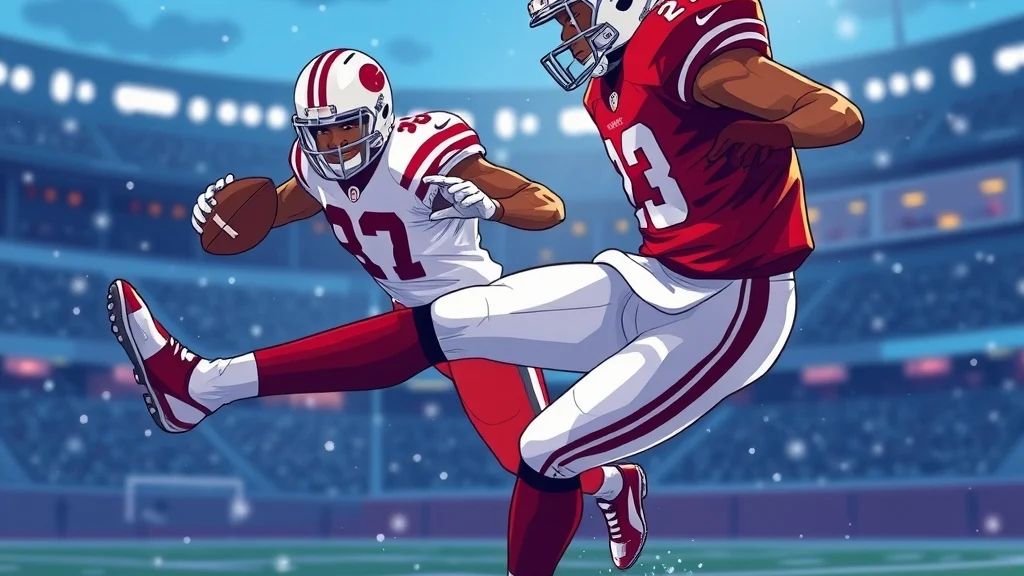
Look at which shoulder the defender is aiming for. If he’s coming from your left toward your outside hip, juke right (to the inside) so his own momentum carries him past you. If you juke into his angle, you’ve just done half of his job for him.
Step 2: Let go of sprint a step early
This is the step most people skip. Holding sprint through the cut makes the animation wider and slower. Letting go for a split second gives you a tighter cut. One combo guide sums up the order nicely: release sprint before the animation, juke first, spin in the opposite direction. The spin part is optional, but releasing sprint first isn’t.
Step 3: Flick, don’t hold
Use a quick flick straight left or right. Holding the stick sideways doesn’t make the juke stronger, and pulling it slightly backward can turn it into a different move. A hesi is done while running by tilting the right analog stick back before moving it in any direction, so a sloppy diagonal flick can give you a hesitation when you wanted a juke.
Step 4: Accelerate out of the cut
Hold sprint again as your player’s plant foot comes down. Hit it too early and you’ll cancel the cut. Hit it too late and the pursuit angle closes back in. A useful cue is to watch the defender’s arms: once he reaches for where you used to be, go.
Worked example: James Cook on third and 4
Say you’re running a Bills Franchise and hand it to James Cook on an outside zone to the right on third and 4. The edge gets sealed and Cook breaks into the flat with one safety coming downhill from the inside, about six yards away.
- You keep sprint held until the safety is roughly two yards away.
- You let go of sprint. The safety is aiming at Cook’s inside hip, so you flick the right stick right, toward the sideline and away from his angle.
- The safety lunges at the spot Cook just left.
- You hold sprint again and turn upfield. That’s a first down, and probably a few extra yards.
If the safety had been playing outside leverage instead, you’d flick left and cut back inside. It’s the same move with the opposite read.
Madden 27 juke controls by platform
The juke is the same on every controller: flick the right stick left or right. What changes between platforms are the button names for sprint and the moves you’ll combine with it. Sprint is RT on Xbox and R2 on PlayStation, Hurdle is Y on Xbox and Triangle on PlayStation, Stiff Arm is A on Xbox and X on PlayStation, and Spin is done by pressing O/B or rotating the right analog stick.
Ball carrier controls table
| Move | PS5 | Xbox Series X and S | Switch 2 (Joy-Con) |
|---|---|---|---|
| Juke | Flick right stick left or right | Flick right stick left or right | Flick right stick left or right |
| Double juke | Flick right stick one way, then the other | Flick right stick one way, then the other | Flick right stick one way, then the other |
| Sprint | R2 | RT | See EA’s Switch 2 controls hub |
| Spin | Circle or rotate right stick | B or rotate right stick | See EA’s Switch 2 controls hub |
| Hesi | Hold R2, tilt right stick back, then a direction | Hold RT, tilt right stick back, then a direction | Same right stick motion |
| Stiff arm | X | A | See EA’s Switch 2 controls hub |
| Hurdle | Triangle | Y | See EA’s Switch 2 controls hub |
Switch 2 and PC notes
On Switch 2, EA publishes a separate Joy-Con ball carrier controls reference with mappings for Sprint, Protect Ball, Hurdle, Slide, Dive, Spin, Stiff Arm, Truck, Dead Leg, Juke, Pitch, and Celebration. Nintendo’s face buttons are laid out differently from Xbox’s, so don’t assume “B” is in the same spot. Check the official hub for the exact layout.
On PC, the easiest option is a controller.
Heads up: On Joy-Cons, the right stick is smaller and has less travel than a full-size controller’s. Flick it deliberately to the edge. Half-flicks are the most common reason a Switch 2 juke doesn’t come out.
When to use the juke and when not to
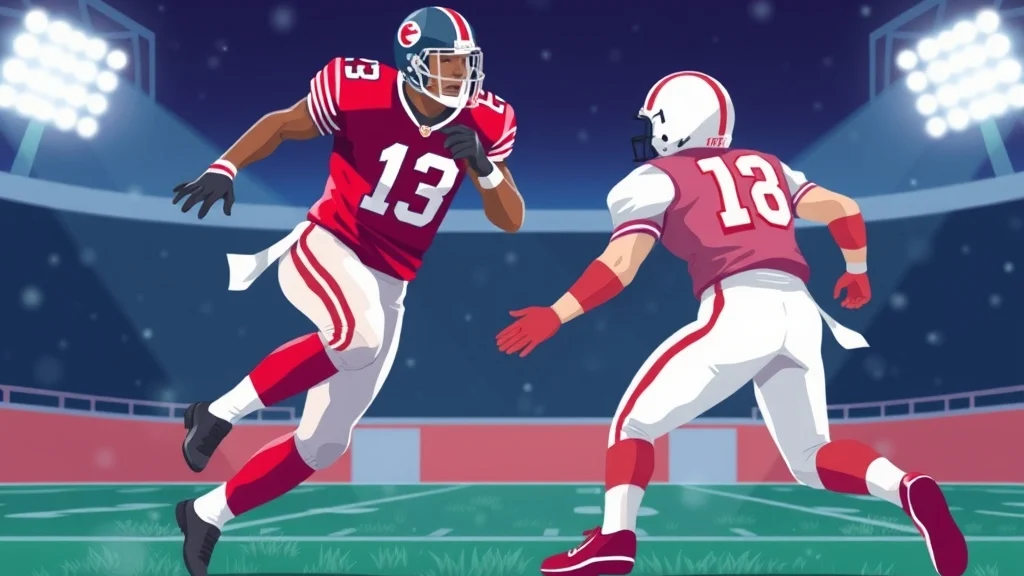
Use the juke in open space against one defender who’s coming at you at an angle. Don’t use it in traffic, near the sideline with nowhere to cut, or when a defender is already in his tackle animation. That one rule covers most of it.
Good juke situations
- One on one in the open field. One safety and twenty yards of grass is exactly what the juke is for.
- Screen and swing passes. The receiver catches it with linebackers chasing from behind and to the side, so their angles are easy to read.
- Second level on outside runs. Once you’re past the line, the first linebacker usually overcommits to the edge.
- Receivers after the catch. A slant caught in stride with one corner trailing is a juke waiting to happen.
Bad juke situations
- Inside the tackles. There’s no room for the cut, and juking into a crowd usually means running into a lineman you never saw.
- Short yardage. On third and 1, the juke costs you forward momentum. Lower your shoulder or use the new short-yardage tools instead.
- Two defenders closing together. Beat one and the other tackles you. Here a spin or a cut upfield is the better choice.
- Late in close games with a low-rated ball carrier. A slow juke animation leaves the ball exposed longer. If you’re protecting a lead, protect the ball.
Juke vs spin vs stiff arm decision table
| Situation | Best move | Why |
|---|---|---|
| Single defender, 2 yards away, angled approach | Juke | Uses his momentum against him |
| Defender right on top of you, square to you | Spin | The juke has no room to work |
| Smaller defender from the side, you’re a big back | Stiff arm | Contact move, no cut needed |
| Defender diving low at your legs | Hurdle | Clears the low tackle |
| Defender squared up and waiting | Hesi, then juke | Freezes him before the cut |
Let’s be fair to the other side here. Some players argue that the juke is overrated next to a well-timed stiff arm, and with a power back they have a point. I’d still take the juke as the move to learn first, because it works on every running back on the roster, not just the 230-pounders.
When the Madden 27 juke does not work and how to fix it
When a juke fails, the cause is almost always timing, a sprint mistake, a stray input, or weak ratings. We’ve all juked straight into a linebacker who never bit. Here’s how to figure out which problem you have.
Common mistakes and fixes
| Problem | Likely cause | Fix |
|---|---|---|
| Juke comes out slow and wide | Sprint held through the cut | Let go of sprint one step earlier |
| Player stops dead instead of cutting | Stick pulled slightly back, so you got a hesi | Flick straight sideways |
| Defender tackles you anyway | Flicked too late, he was already in his tackle animation | Start the cut at 1 to 2 yards, not on contact |
| Defender just adjusts and follows you | Flicked too early, from 4 or more yards | Wait until he commits his hips |
| You get the juke, then get caught | Low Acceleration, or sprint pressed again too late | Hold sprint as the plant foot lands |
| Nothing happens at all | Worn stick or changed controller settings | Test the stick, then check your controls settings |
The two-defender problem
The most common way a “good” juke still fails is the backside pursuer. You beat the first defender clean and the second one tackles you a yard later. Before you flick, check the mini-picture in your head: where’s the next defender? Juke in the direction that moves you away from both, even if it’s not the ideal direction against the first one.
When the problem is the ratings
If you’re doing everything right and your back still cuts like he’s stuck in lake-effect snow, look at his card. A back with modest Juke Move and Change of Direction ratings shouldn’t be your juke guy. In Franchise, use that back on downhill runs and save the open-field calls for your more elusive player. In Ultimate Team, consider upgrading that position before you blame your thumbs.
Pro tip: Watch the replay after a failed juke and look at the defender’s feet, not your ball carrier. If his feet were already set toward where you cut, you went too late. If he hadn’t turned his hips yet, you went too early.
Related tricks worth knowing
The juke works best when you combine it with other moves and with good play design. These are the ones worth practicing next.
Double juke
The double juke is the advanced version. You flick one way to sell it, then right back the other way. The first cut gets the defender to shift his weight. The second cut beats him. It needs strong Change of Direction, so try it with your most elusive back first.
Juke into spin
When a defender recovers from the juke, a spin in the opposite direction can finish the job. The inputs must happen quickly before the initial juke animation fully finishes. If you spin too late, you’re spinning in place right next to someone with a free tackle.
Hesi into juke
The hesi is the best setup against a defender who’s squared up and waiting. You stutter, he stops moving his feet, and then the juke has more room to work. It’s like a pump fake for running backs.
Create space before the catch
The easiest jukes happen after a catch in space, and that starts with the play call. Floating a pass over a linebacker to a back in the flat sets up a one-on-one, and our madden lob pass guide covers when to use touch and when to use bullet. Pre-snap, sending your back on a quick out or wheel can clear out the area you want to juke into, which our madden hot routes guide explains step by step.
Heads up: Don’t chain more than two moves in a row. Each extra animation gives pursuit another half second to catch up, and Madden 27’s pursuit angles punish players who try to show off.
FAQ
What button is juke in Madden 27?
There is no face button for it. You juke by flicking the right stick left or right while you have the ball, and that works the same way on PlayStation, Xbox and Switch 2.
How do you double juke in Madden 27?
Flick the right stick to one side, then flick it right back to the other side before the first cut finishes. The second cut is the one that actually beats the defender.
Should I hold sprint while juking in Madden 27?
Usually not. Let go of sprint a step before you flick the stick so the cut stays tight, then hold sprint again as you come out of it.
Can any player juke in Madden 27?
Yes, any ball carrier can try one, including quarterbacks and linemen. A low Juke Move rating gives you a slow, wide animation that defenders usually tackle anyway.
Why does my player stop when I juke?
You probably pulled the right stick back, which can trigger a hesitation move instead of a juke. Keep the flick straight left or right.
Is the juke or the spin better in Madden 27?
Use the juke in open space against a single defender who is closing at an angle. Save the spin for when the defender is right on top of you, because a spin started too early leaves you stuck in place.
Sources

1 comment