
Key facts
- A battle pass is a time-limited reward track that unlocks rewards in tiers as you earn XP during a season.
- Most games have a free track and a paid premium track, and the premium rewards are usually cosmetic.
- The model traces back to Dota 2’s Interactive Compendium for The International 2013.
- Fortnite’s Battle Pass currently costs 800 V-Bucks and pays back 800 V-Bucks if you complete it.
- A battle pass is not the same as a season pass, which usually means paid DLC.
A battle pass is a seasonal reward track. You level it up by playing, and each level unlocks an item, usually a cosmetic. Most games give you a free version and a paid premium version, and both expire when the season ends. That covers the basics. Below we get into where the idea came from, how it works and how it’s different from the other passes games try to sell you.
What is a battle pass, in one sentence?
A battle pass is a time-limited, tiered reward system in which you unlock items one level at a time by earning experience points (XP) during a game’s season. Think of it as a season ticket with a prize at every home game. The more you show up, the more you take home.
The parts every battle pass has
Nearly every battle pass has the same five pieces, whatever the game calls them:
- A season. A fixed window, often 8 to 12 weeks, after which the pass closes.
- Tiers or levels. Numbered steps, often 50 to 100, each holding a reward.
- XP. The currency of progress, earned from matches, challenges and quests.
- A free track. Rewards anyone can unlock without paying.
- A premium track. The paid upgrade with the better and larger share of rewards.
Here’s how Fortnite sets it up: a paid premium pass, granting the holder over 100 rewards; along with a free pass, costing no V-Bucks, but only offering select items. Progress comes from play, since Battle Pass levels can be obtained through completing Quests or engaging in gameplay which grants Season XP.
The battle pass meaning in plain terms
The battle pass meaning in plain English is a deal. You pay once at the start of the season, and the game pays you back in items for every hour you put in. If you skip the playing part, you’ve bought a mostly locked list of items you’ll never get.
That’s why we call it a commitment more than a purchase. It’s a lot like the Bills’ old Bruce Smith contracts, which paid off because he played every down. A pass works the same way. It only pays off if you keep playing.
Heads up: Paying for the premium track doesn’t unlock all its rewards right away. It only opens up the right to earn them by playing.
The term belongs to a wider vocabulary of modern games, and our guide to gaming slang covers its neighbors, from “grind” to “FOMO.”
Where does the term battle pass come from?
The term battle pass comes from Valve’s Dota 2, which built the model around its biggest esports event before popularizing the name. Back in 2013, Valve’s hit game introduced something called “the compendium” for the 2013 edition of Dota 2’s largest esports tournament: “The International”.
The Compendium and the prize pool
The original idea was part fan engagement, part fundraiser. A quarter of the total revenue from the Compendium was added to the base $1.6 million prize pool. The prize pool eventually reached over $2.8 million, making it the largest prize pool in esports history at the time. Valve later explained that the Compendium grew in scope over the years, and ultimately transformed into the Battle Pass, acquiring a reward line and spawning a wide variety of content. The name became official in 2016, when Valve renamed the Compendium.
How Fortnite made it mainstream
Dota 2 came up with the model, but Fortnite made it famous. Epic Games added a Battle Pass to Fortnite Battle Royale in Chapter 1 Season 2, which began in December 2017. After that, battle passes spread quickly through shooters, MOBAs and sports games. The broader history is that, inspired by the season pass ticketing system and originating with Dota 2 in 2013, the battle pass model gained more use as an alternative to subscription fees and loot boxes beginning in the late 2010s.
The loot box part of that matters. Battle passes caught on partly because players could see exactly what they were paying for. Nobody likes opening a pack for 20 minutes and getting the gaming equivalent of a fourth-string long snapper.
Not everyone stuck with it
Valve itself eventually stepped back from the format. In a 2022 blog post, the studio admitted that most Dota players never buy a Battle Pass and never get any rewards from it. That’s a fair reminder that even the company that invented the battle pass found problems with it.
How does a battle pass work in games?
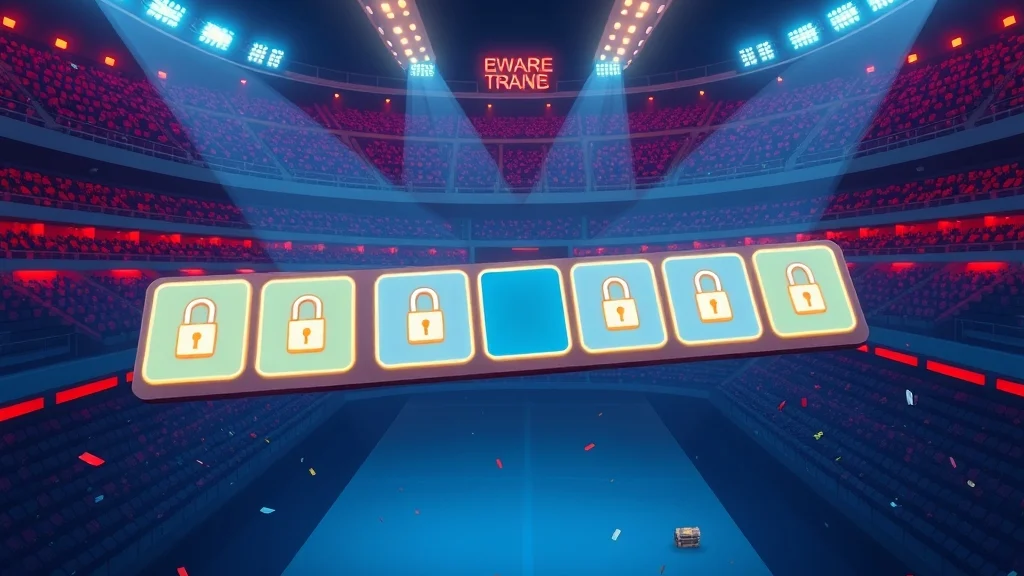
A battle pass works by turning playtime into rewards. You earn XP, the XP fills a tier, and each filled tier unlocks one item on the free or premium track. A battle pass is also a key part of the business model, which our explainer on what is a live service game covers in more detail.
The progression loop
Most passes follow the same weekly rhythm:
- Buy or start the pass from the in-game Battle Pass tab at the start of a season.
- Play matches to earn base XP.
- Complete daily and weekly challenges, which give bigger chunks of XP.
- Claim rewards as each tier unlocks, sometimes by hand from the pass menu.
- Finish before the season ends, or the unclaimed tiers are gone for good.
A worked example with Fortnite’s numbers
Say you’re new to Fortnite and want to know whether the pass pays off. You can purchase the Battle Pass for 800 V-Bucks (~$8.99 USD) each season. If you finish it, players who have purchased the Battle Pass can gain 800 V-Bucks (1,000 during Mini-Seasons 1 & 2; formerly 1,500) per season by completing the required amount of the Battle Pass.
| Step | V-Bucks spent | V-Bucks earned | Balance |
|---|---|---|---|
| Buy the pass in Season 1 | 800 | 0 | -800 |
| Complete the pass | 0 | 800 | 0 |
| Buy the Season 2 pass | 800 | 0 | -800 |
| Complete it again | 0 | 800 | 0 |
The decision rule is simple. If you finish every pass, you pay real money once and keep going for free. If you stop halfway through a season, you have to buy the next one again. For button-by-button help with that, our fortnite how to guides walk through the menus.
Pro tip: Before you buy, look at how many weeks are left in the season. A pass bought with three weeks left is much harder to finish than one bought on day one.
Common mistakes players make
- Buying tier skips early. You pay for levels you would have earned anyway by playing.
- Ignoring weekly challenges. Those give far more XP than plain matches.
- Forgetting to claim rewards. Some games make you claim each item from the menu yourself.
- Assuming items come back. Many don’t, though some games have relaxed that rule.
What are examples of battle passes in popular games?
Battle passes show up in almost every big free-to-play or live game, but the details vary a lot between games. The biggest difference between them is whether the pass expires at the end of the season.
| Game | Pass name | Paid with | Expires after season? | Notable twist |
|---|---|---|---|---|
| Fortnite | Battle Pass | V-Bucks or Fortnite Crew | Yes | Completing it returns 800 V-Bucks |
| Dota 2 | Compendium, later Battle Pass | Real money | Yes | Funded The International prize pool |
| Call of Duty | Battle Pass, plus BlackCell upgrade | COD Points or real money | Yes | Shared across the yearly game and Warzone |
| Rocket League | Rocket Pass | Credits | Yes | Free and premium tracks |
| Halo Infinite | Battle Pass | Halo Credits | No | Passes stay active after the season |
| Helldivers 2 | Warbonds | Super Credits | No | Super Credits can be found during missions |
| Marvel Rivals | Battle Pass | Lattice | No | Bought passes stay available after the season |
Fortnite’s 18-month rule
Fortnite used to promise that pass items would never be sold again. Epic changed that, and older pass outfits can now come back to the Item Shop after 18 months, but they cost more there. One tracker notes that 950 to 1,000 V-Bucks bought every outfit in those passes. A single returning outfit has cost 1,200 to 1,500 V-Bucks, and 2,000 to 2,400 with its bundle. Waiting for a skin to come back can work, but it costs more.
Subscriptions that include the pass
Some games bundle the pass into a monthly plan. With Fortnite, a Fortnite Crew subscription grants 1,000 V-Bucks per month, as well as 950 V-Bucks per season, if the player has already purchased the Battle Pass. If the Battle Pass is not purchased, the player will instead receive access to it.
Heads up: Prices and reward totals change between seasons. Before you spend anything, check the in-game store, because the numbers shown there are the ones you’ll actually be charged.
What is the difference between a battle pass and related terms?
A battle pass is a seasonal reward track you earn through play, while related terms like season pass, loot box and subscription describe different ways to pay for content. Mixing them up is one of the most common mistakes, even among longtime players.
| Term | What you pay for | Randomness | Time limit | Need to play to get rewards? |
|---|---|---|---|---|
| Battle pass | A tiered reward track | None | One season, usually | Yes |
| Season pass | A bundle of future DLC | None | No | No |
| Loot box | A random item drop | Yes | No | No |
| Subscription | Monthly access or perks | None | Renews monthly | Usually no |
| Tier skip | Instant battle pass levels | None | Same as the pass | No |
Battle pass vs season pass
This one causes the most mix-ups. A season pass usually means prepaying for upcoming DLC, like expansions or new characters, and you own that content once it’s out. A battle pass makes you earn every item through play. If someone says they “bought the season pass” for a fighting game, they mean the DLC characters, not a reward track.
Battle pass vs loot box
A loot box gives you a random item. A battle pass shows you every reward up front. That visibility is the main reason battle passes replaced loot boxes in many games during the late 2010s.
Free track vs premium track
These are the two halves of one pass. In games that offer both free and paid-for battle passes, the free pass may have a very limited number of tiers or offer fewer or less-desirable rewards, but will track player’s progression through the paid-for battle pass, allowing them to buy that battle pass at any time to collect the rewards. In practice, if you upgrade mid-season, you usually get every premium reward from the tiers you’ve already finished.
The FOMO problem
Critics point to the time pressure. Many lament the grinding requirements for actually obtaining the best items from the battle pass-as not only do you need to pay to unlock them, but you also have to play. That’s a fair complaint, and it’s the main reason passes that never expire have become popular with players.
How do you use the term battle pass correctly?
You use “battle pass” for any seasonal, tiered reward track you earn through play, and you capitalize it only when you mean a specific game’s official product. Getting the wording right helps people understand you in group chats, on forums and in support tickets.
Usage rules
- Lowercase for the general idea: “Most shooters have a battle pass now.”
- Capitalize the product name: “I bought the Fortnite Battle Pass this season.”
- Use the game’s own name when it has one: Rocket Pass, Warbond, Compendium.
- Say “premium” or “free” to be specific: “That skin is on the premium track.”
- Don’t call DLC a battle pass: expansion bundles are season passes.
Example sentences
- “I’m on tier 74 of the battle pass with two weeks left, so I’m grinding weeklies tonight.”
- “The emote is on the free track, so you don’t need to pay for it.”
- “Halo passes don’t expire, so there’s no rush to finish this one.”
- “Don’t buy tier skips. Play the challenges first and see where you end up.”
Common slang around it
You’ll hear “BP” as shorthand, as in “Is the BP worth it?” “Maxed out” or “finished the pass” means every tier is unlocked. “Tier skipping” means buying levels with currency. “Grinding the pass” means playing mostly to earn XP rather than for fun, which we’ve all done at 1 a.m. in the last week of a season.
Pro tip: If you ask support about a missing reward, give the exact tier number, the track (free or premium) and your platform. A ticket with those three details gets sorted out much faster.
A quick decision rule
Here’s the simplest way to decide whether a pass is worth buying. If you play at least three or four sessions a week and the season has more than half its time left, buy it on day one. If you play a few times a month, stay on the free track and buy a single item you love from the shop. That’s my take, and it has saved me more money than any sale.
FAQ
Is a battle pass worth buying?
It is worth it if you already play the game most weeks during a season and like the cosmetics. If you only play a couple of times a month, you probably won’t reach the rewards you paid for.
Does a battle pass make you better at the game?
No, in most major games battle pass rewards are cosmetic, such as skins, emotes and banners. Some passes include XP boosts or currency, but these rarely affect how strong you are in a match.
What happens to a battle pass when the season ends?
In most games, the pass expires and any rewards you did not unlock are gone. Some games, including Halo Infinite, Helldivers 2 with its Warbonds, and Marvel Rivals, let passes stay active after the season ends.
Can you get a battle pass for free?
Most games offer a free track with fewer rewards. In some games, like Fortnite, the premium pass returns enough premium currency to buy the next season’s pass if you finish it.
What does it mean to skip tiers in a battle pass?
A tier skip is a paid shortcut that unlocks the next level of the pass right away, without earning the XP. It’s the quickest way to spend more money on a pass you already own.
Is a battle pass a subscription?
No, a standard battle pass is a one-time purchase for a single season. Some games bundle the pass into a monthly subscription, such as Fortnite Crew.
Sources